Processed vs. Whole Foods: How to Shop Smarter and Build a Healthier Plate
Walk into any grocery store and you’re immediately faced with thousands of choices. Bright labels promise “low-fat,” “heart healthy,” “natural,” and “high protein.” It can feel overwhelming — and confusing.
But when you strip away the marketing, healthy eating comes down to one foundational idea: the difference between processed foods and whole foods.
Understanding that difference — and knowing how to shop accordingly — can dramatically simplify your nutrition and improve your long-term health.
What Are Processed Foods?
Technically, any food that has been changed from its natural state is “processed.” Washing spinach, freezing vegetables, or roasting nuts all count as processing — and those aren’t the problem.
The concern lies with ultra-processed foods. These are heavily manufactured products that often contain added sugars, refined oils, preservatives, artificial flavors, colorings, and long ingredient lists that don’t resemble real food.
Examples include sugary cereals, packaged snack cakes, soda, chips, candy, and many frozen meals and boxed foods.
Ultra-processed foods are designed to be hyper-palatable — meaning they’re engineered to make you want more. They’re often high in calories and low in fiber and nutrients. Diets high in these foods are associated with increased inflammation, blood sugar instability, weight gain, and higher risk of heart disease.
In short, they may taste convenient, but they don’t nourish your body in the way real food does. My rule of thumb is 5 ingredients or less and can you identify what the ingredient is and pronounce it!
What Are Whole Foods?
Whole foods are foods that are close to their natural state. They don’t require a long ingredient list because they are the ingredient.
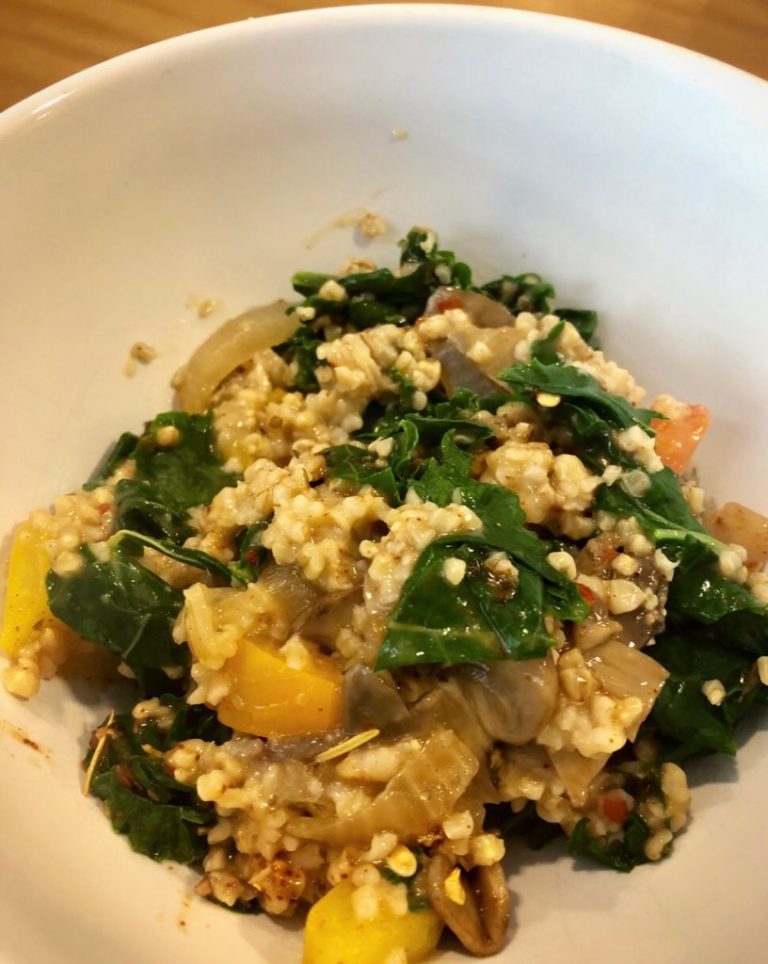
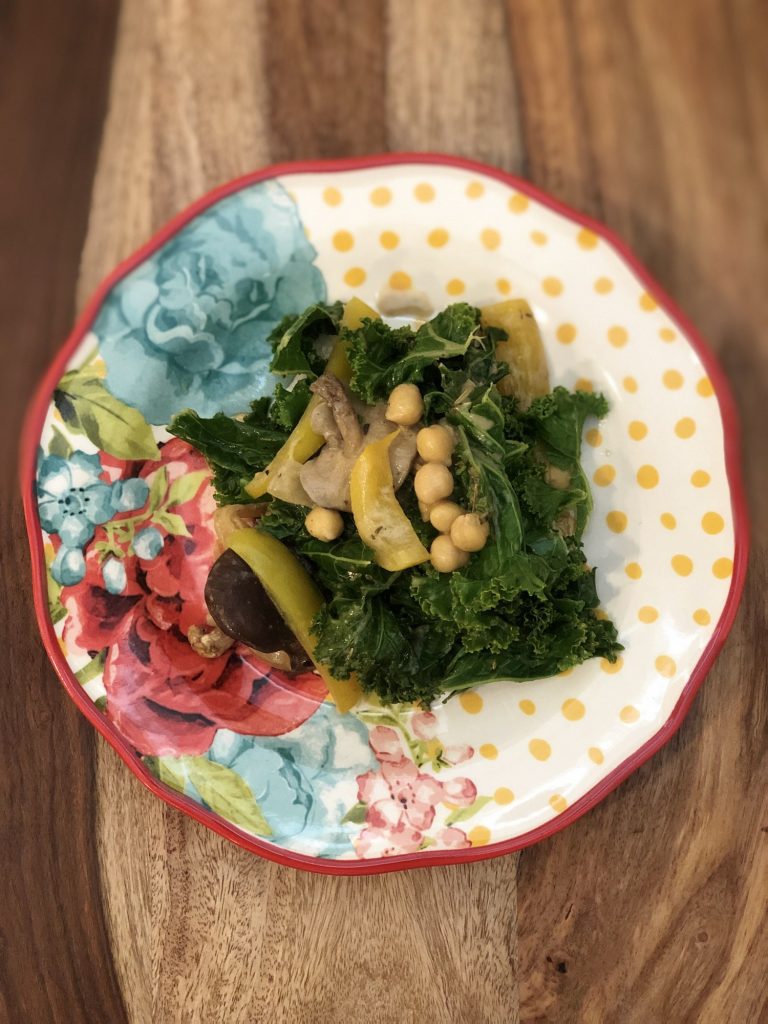
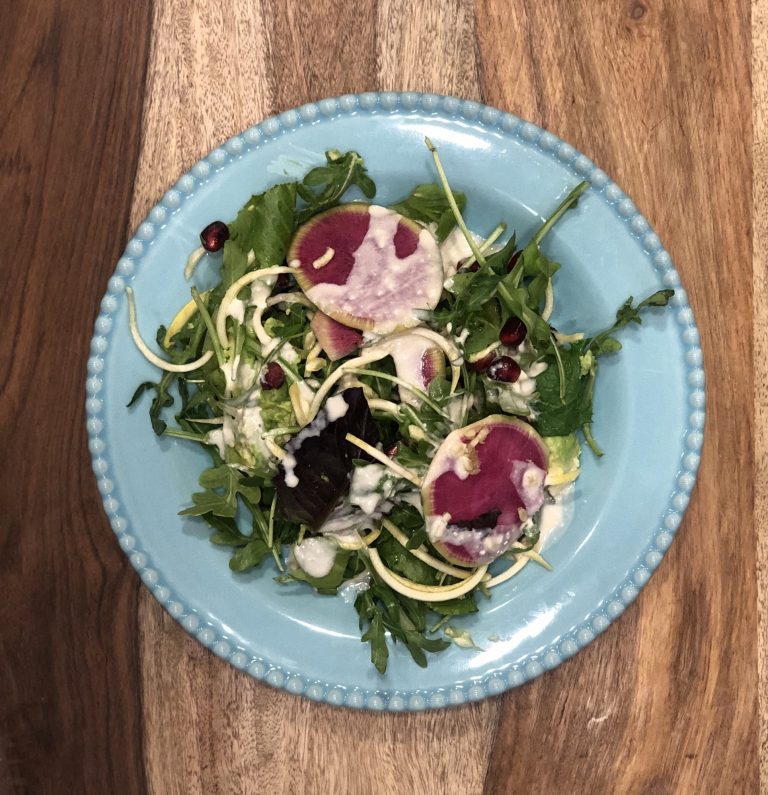
Vegetables, fruits, beans, lentils, whole grains, nuts, seeds, eggs, fish, and lean meats all fall into this category.
Whole foods provide fiber, vitamins, minerals, antioxidants, protein, and healthy fats — the building blocks your body needs for steady energy, healthy digestion, balanced blood sugar, and long-term disease prevention.
When most of your diet comes from whole foods, your body functions more efficiently. Energy levels stabilize, inflammation decreases, and overall resilience improves.
Why Shopping the Perimeter Works
One of the simplest strategies for improving your nutrition starts before you ever cook a meal.
When you enter most grocery stores, the outer perimeter typically contains the produce section, meat and seafood, eggs, dairy, and sometimes freshly baked bread. These areas are stocked with foods that are closer to their natural state.
The inner aisles, on the other hand, tend to hold the shelf-stable, boxed, and heavily processed items. The reason is so they can have a long shelf life.
While not every item in the center aisles is unhealthy, using the “perimeter rule” as a guideline encourages you to fill your cart primarily with whole foods first. It creates a structure that naturally supports better choices without requiring complicated diet rules.
Bringing It Together: The Harvard Healthy Eating Plate
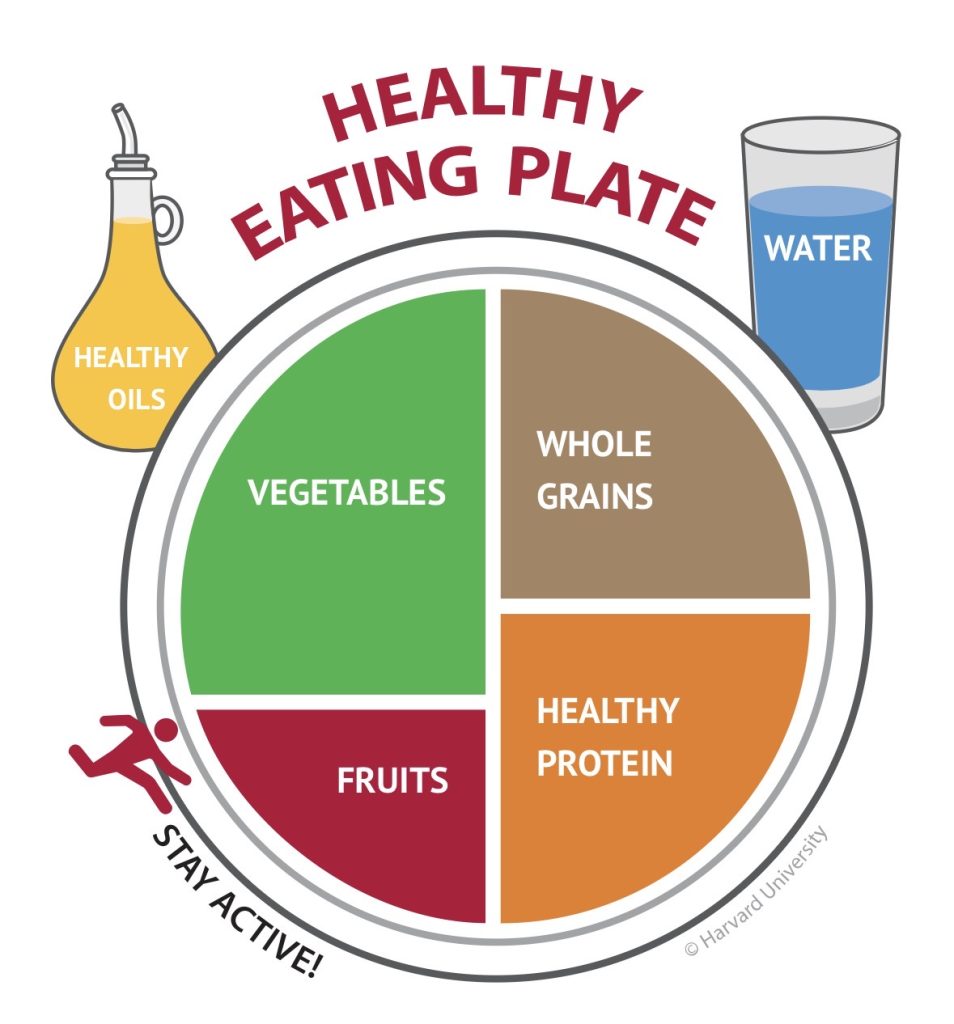
If you’re unsure how to turn whole foods into balanced meals, the Harvard Healthy Eating Plate offers a simple, science-based visual guide.
It suggests:
- Half your plate should be vegetables and fruits (with more emphasis on vegetables).
- One quarter should be whole grains such as brown rice, quinoa, or whole wheat.
- One quarter should be healthy protein like fish, poultry, beans, or nuts.
- Use healthy oils in moderation and drink water as your primary beverage.
- Make sure you are also adding in healthy fats like nuts, and seeds ( ex. nut butters, avocados, flaxseed and chia seed )
This model avoids calorie counting and instead focuses on proportion and quality. It’s a sustainable framework that emphasizes nutrient-dense, minimally processed foods. When we see food as nutrients and eat in this manner, deprivation and yo-yo dieting is a thing of the past. Your body is in better balance . With fiber, protein and healthy fat on your plate you are naturally eating less calories and the weight starts to come off easier.
The Bigger Picture
Healthy eating does not require perfection. It requires patterns.
When whole foods make up the majority of your meals and processed foods become occasional additions rather than daily staples, your body benefits in measurable ways. Energy improves. Blood sugar stabilizes. Cardiovascular risk decreases. And inflammation — a common thread in many chronic diseases — is reduced.
The goal is not restriction. It’s intention.
By shopping primarily along the perimeter of the store and using the Harvard Healthy Eating Plate as your guide, you create a simple, repeatable system that supports long-term wellness.
And sometimes, the simplest systems are the ones that work best.
By: Grace Buffa, Board Certified Health and Wellness Coach