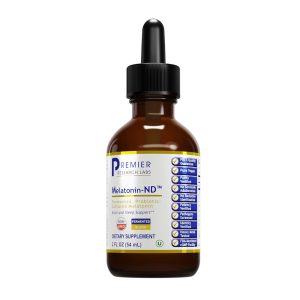
 Melatonin-ND
 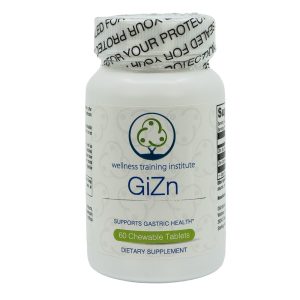 GiZn 60
 Red Yeast Rice: What it is, how it helps cholesterol, and what to know before using it
If you’ve ever been told your cholesterol is “a little high” and wondered if there’s a more natural way to support it — you’ve probably heard of red yeast rice.
Let’s talk about what it actually is, how it works in the body, and why it deserves both respect and caution.
What Is Red Yeast Rice — Really?
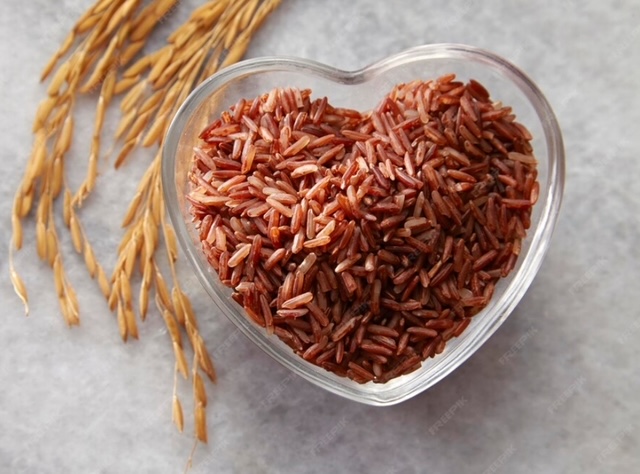
Red yeast rice is made by fermenting rice with a specific yeast. During that fermentation, the rice produces compounds called monacolins.
One of those compounds — monacolin K — is important because it’s chemically the same as lovastatin, a prescription cholesterol-lowering medication.
So while red yeast rice comes from a natural source, it’s not “gentle” in the way many people assume. It works on the same pathway in the liver that statin drugs do.
That’s why it can be effective — and also why it needs to be used thoughtfully.
How Red Yeast Rice Supports Cholesterol & Heart Health
1. Helps Lower “Bad” LDL Cholesterol
Multiple studies show that red yeast rice can significantly lower LDL cholesterol — the kind that contributes to plaque buildup in arteries.
In research settings, LDL levels dropped by 15–30%, which is similar to what you’d expect from a low-dose statin.
This is the main reason people turn to red yeast rice.
2. Supports Total Cholesterol & Triglycerides
Red yeast rice may also help lower:
• Total cholesterol
• Triglycerides (another blood fat linked to heart disease)
Some studies even show small improvements in HDL (“good”) cholesterol.
3. Supports Overall Heart & Blood Vessel Health
By improving cholesterol numbers, red yeast rice may help reduce strain on the heart and support healthier blood vessels — especially when paired with nutrition, movement, and stress management.
4. An Option for Some Who Don’t Tolerate Statins
Some people who experience muscle pain or side effects from statin medications have used red yeast rice successfully under supervision.
That said — because it works like a statin, it can still cause similar side effects in a small amount of people.
Very Important Things to Know
This part matters just as much as the benefits.
Not All Supplements Are the Same
Red yeast rice supplements are not regulated like medications, so the amount of active ingredient can vary widely between brands.
Some products contain very little active compound.
Others may contain more than expected.
That means results — and side effects — can be unpredictable. At the Wellness Training Institute’s all the supplements are third party tested and researched to make sure they are of the highest quality.
It Can Have Statin-Like Side Effects
Because red yeast rice works like a statin, it can sometimes cause:
• muscle aches
• liver enzyme changes
• digestive discomfort
And it should not be combined with prescription statins unless guided by a healthcare provider.
“Natural” does not always mean risk-free.
Talk to Your Provider First
Red yeast rice is not appropriate for everyone — especially if you:
• already take cholesterol medications
• have liver or kidney issues
• are pregnant or breastfeeding
• take medications that affect the liver
If it’s used, labs should be monitored.
Our Perspective as Wellness Practitioners
We view red yeast rice as a powerful tool — not a casual supplement.
It may be helpful for:
✔️ people with mildly elevated cholesterol
✔️ those exploring alternatives with supervision
✔️ individuals also committed to nutrition, movement, and overall health
But it’s not something I recommend casually or without guidance.
Cholesterol support works best when we also address:
• whole-food nutrition
• fiber intake
• inflammation
• stress and sleep
• consistent movement
Supplements can support the process — but they’re never the whole picture.
Bottom Line
Red yeast rice can significantly lower LDL cholesterol and support heart health — sometimes in a way similar to low-dose statin therapy.
If you’re considering it, the safest approach is an informed one — with your provider involved and your lifestyle foundation in place.
You can buy here.